


The results of your paid campaigns for 2026 are already showing, but are you reviewing what actually matters? Learn what to check, what to ignore, and how to avoid early over-optimisation.
By the start of February, most advertisers are already in it.
Campaigns are live. Budgets are moving. Early results are starting to take shape. And naturally, questions start creeping in:
Is this working?
Did we structure this right?
Should we be changing something already?
The first few weeks of the year are a strange moment in paid advertising. There’s just enough data to feel meaningful – but often not enough to tell the full story.
This article looks at what’s actually worth checking in your paid ads after the first few weeks of 2026 – and what’s better left alone for now.
Why Early-Year Performance Can Be Misleading
It’s natural to pay close attention to January data – the first numbers of the year feel especially important. But early performance can be misleading. Campaigns are still finding their rhythm: learning phases are ongoing, budgets are settling into new patterns, automation is testing audiences, and user behavior is adjusting after the holidays.
Across paid platforms, automated campaigns need time and consistency to stabilize. Making snap judgments too early can actually slow improvement rather than speed it up.

What Is Worth Checking Right Now
Instead of focusing on headline performance alone, late January is a good moment to sense-check a few fundamentals.
1. Are campaigns actually getting enough data to learn?
One of the most common issues we see early in the year is campaigns that are technically live – but starved of volume.
Check:
- Are impressions spread thinly across lots of campaigns?
- Are some campaigns consistently limited by budget?
- Are conversions arriving too slowly for automated bidding to adapt?
If data is fragmented, performance often stalls – not because demand isn’t there, but because learning is constrained.
2. Are budgets capping opportunity too early?
Early budget limits can quietly flatten performance.
Signs to look for:
- campaigns stopping delivery early in the day
- strong early CTRs but limited volume
- automated bid strategies stuck in learning
This doesn’t always mean “spend more” – but it does mean checking whether budgets align with the ambition of the campaign.
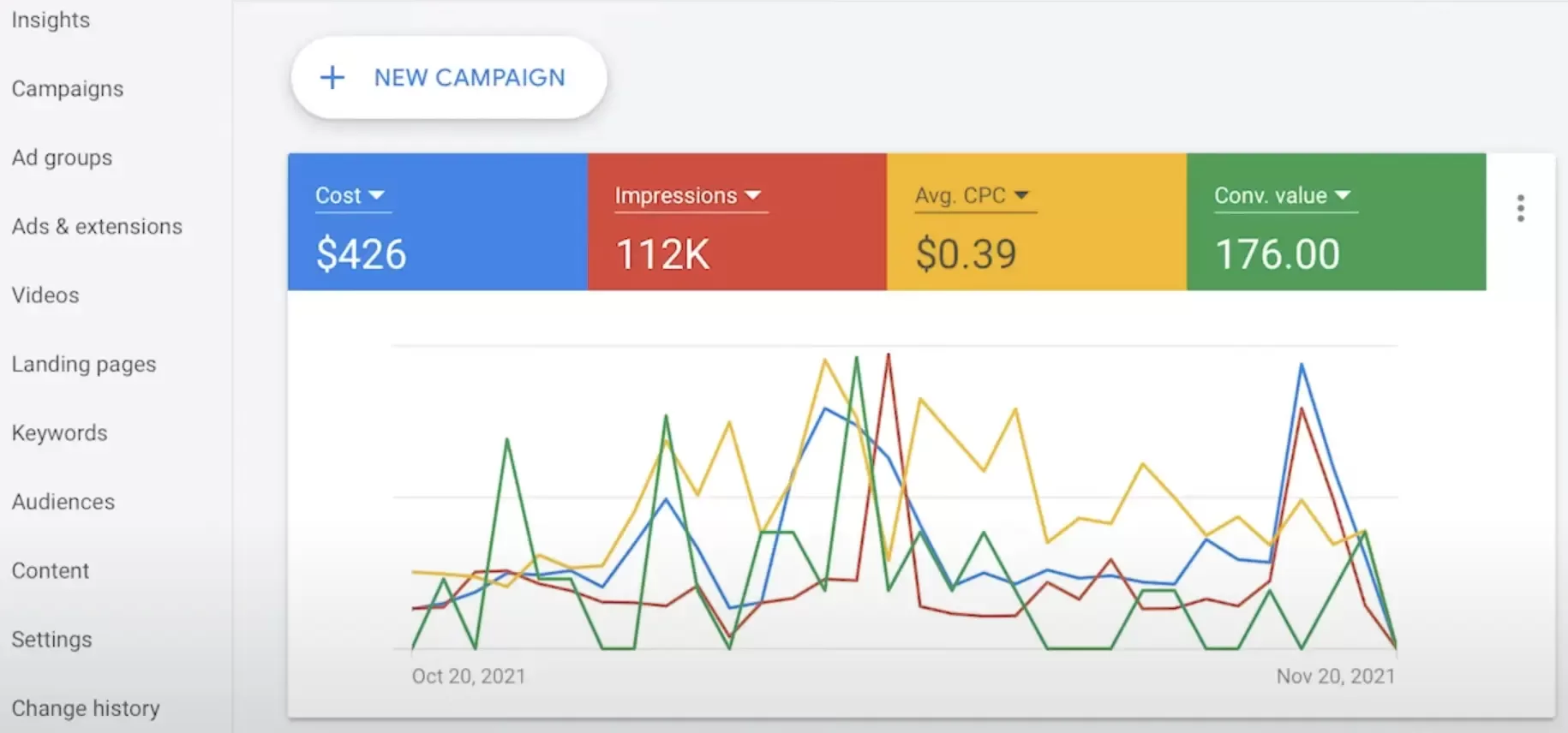
3. Are you reacting too quickly to normal volatility?
Some fluctuation in January is normal.
Automation-driven platforms often:
- test new audience segments
- adjust delivery across formats
- recalibrate bids based on fresh signals
Frequent changes to bids, budgets, or structure can reset learning phases and create volatility that looks like underperformance.
A useful rule of thumb: If nothing is clearly broken, resist the urge to fix everything at once.
Where New Opportunities Often Appear After Campaigns Go Live
Once campaigns are running, opportunities often appear around the edges rather than in core search activity. Impression-based audiences—where you target people who saw your ad, not just clicked—can unlock smarter remarketing, sequential messaging, and audience expansion, especially for lower-traffic sites.
Ads are also appearing in more diverse environments. AI-driven and discovery-style placements mean your campaigns can reach people alongside conversational search or in mixed-intent moments. These placements behave differently, so it takes time to understand their true performance.
Using Secondary Platforms as a Learning Layer
One of the smartest late-January moves isn’t changing everything in your core campaigns – it’s using additional platforms to learn without disruption.
Platforms like Microsoft Advertising are often used this way because they allow advertisers to:
- test new formats
- explore new audience signals
- trial automation changes
- gather insights without destabilising primary revenue drivers
The value here isn’t immediate scale – it’s learning that informs better decisions elsewhere.
Discover the features that are transforming performance for paid ad campaigns this year – read it here and get an edge on the competition!
What Not to Overreact To Yet
Just as important as what to check is what to avoid over-optimising too early.
In late January, be cautious about:
- pausing campaigns purely on early CPA fluctuations
- restructuring accounts without clear evidence
- abandoning automation before it has stabilised
- judging success on a single metric
Early data is directional – not definitive.
Instead of asking, “Is this working yet?” a more useful question is: “Is this set up to improve over time?” Campaigns that perform best throughout the year share a few traits: they have enough data to learn, stable structures, room to explore, and measured, intentional optimization.
Key Takeaways
To sum up, if you’re reviewing paid ads after the first few weeks of the year, you should:
- expect early volatility
- prioritise learning over perfection
- check data flow before performance
- avoid constant structural changes
- use secondary platforms to test safely
Late January isn’t a final verdict – it’s a checkpoint, a chance to ensure your campaigns are positioned to grow and improve throughout the year.
Common Paid Campaign Questions
Should I change my campaigns after the first few weeks?
Only if something is clearly broken. Most optimisation should be incremental, not reactive.
Is it normal for performance to fluctuate in January?
Yes. Learning phases, seasonality shifts, and automation recalibration all contribute.
How long should automated campaigns be left to learn?
In most cases, 2–4 weeks of stability is needed before drawing conclusions.
Why use platforms like Microsoft Advertising at this stage?
They’re often well suited for testing and learning alongside core activity, without introducing unnecessary risk.
Want to get your paid campaigns off to the best start in 2026? Adzooma makes helpful recommendations and helps you to manage all of your campaigns and ad tools in one platform. Sign up free today!