

Blaming platform issues for your paid ads stalling? You might be looking in the wrong place. Learn why performance plateaus in 2026 and how to prevent it across paid media.
At some point, almost every marketer hits this moment:
Your campaigns are live.
Nothing is technically broken.
Spend is going out.
But performance… just isn’t moving.
No major drops. No obvious errors. Just a frustrating plateau.
As paid advertising heads into 2026, this scenario is becoming more common – not because platforms are failing, but because the way campaigns learn and optimise has fundamentally changed.
Come with us as we dig into why paid ad campaigns stall even when nothing looks wrong, and how marketers can catch it early by noticing patterns across paid media, with platforms like Microsoft Advertising often showing the signs first.
Campaign Stalling Is a Learning Problem, Not a Platform Problem
One of the biggest misconceptions in paid advertising is that stalled performance means something is “wrong”.
In reality, most stalled campaigns are doing exactly what the platform allows them to do – they just don’t have enough data, consistency, or freedom to improve.
Why this matters more in 2026
Modern ad platforms rely heavily on:
- machine learning
- automated bidding
- predictive targeting
- cross-format delivery
These systems don’t optimise instantly.
They learn over time – and that learning can be easily constrained.

The Most Common Reasons Paid Ad Campaigns Stall
Across Google, Meta, and Microsoft, the same structural issues appear again and again.
1. Campaigns Are Too Granular for Their Budget
Over-segmentation is one of the most common causes of stalled performance.
When budgets are split across:
- too many campaigns
- too many ad groups
- too many audiences
…no single part of the account collects enough data to optimise effectively.
Industry data consistently shows that highly granular structures with limited budgets struggle to reach the conversion volume needed for AI-driven optimisation to work properly.
Signs to watch for:
- Low impressions across multiple campaigns
- Slow or inconsistent conversion signals
- Learning phases that never fully stabilise.
2. Imported Campaign Structures Don’t Translate Well
Many advertisers copy campaign structures from one platform to another, expecting similar results.
In practice, this often causes problems.
Campaigns imported into Microsoft Advertising frequently underperform when:
- structures are copied exactly from Google or Meta
- historic performance data doesn’t exist yet
- platform-specific features aren’t adopted
The result is an account that looks organised – but never gains momentum.
3. Budgets Cap Learning Too Early
Another common issue is campaigns that simply don’t run long enough, or spend enough, to learn.
When budgets are too restrictive:
- ads stop serving before meaningful patterns emerge
- bid strategies can’t stabilise
- performance plateaus quickly
This is especially visible in automated and multi-format campaign types, where learning depends on consistent delivery over time.

4. Too Many Changes Reset the Learning Phase
Trying to “fix” performance too often can make things worse.
Frequent changes to:
- bids
- budgets
- targeting
- creative
…can repeatedly reset learning phases, preventing optimisation from ever settling.Platform guidance across paid media generally recommends allowing at least 2–4 weeks of stability for automated campaigns before judging performance – unless results are clearly broken.
Why Microsoft Advertising Often Exposes These Issues First
Microsoft Advertising isn’t uniquely problematic – but it does act as a useful diagnostic environment.
Why problems surface more quickly
- Less historical data by default
- Automation relies heavily on fresh signals
- Over-granularity fails faster
- Budget constraints are more obvious
This makes Microsoft Advertising a helpful lens for understanding what actually helps campaigns learn, even though the same principles apply across platforms.
Discover how to get reach even without a click in our article “Why Impression Based Remarketing Will Redefine Paid Ads” – read it here!
How to Prevent Paid Ad Campaigns From Stalling in 2026
The solution isn’t more complexity – it’s stronger foundations.
Practical ways to support learning
- Consolidate campaigns to improve data density
- Use shared budgets where appropriate
- Avoid overly rigid or legacy structures
- Give automation time before judging results
- Make changes gradually, not all at once
In 2026, effectiveness increasingly beats granularity.
Stalling vs Scaling: The Key Difference
Campaigns that scale tend to share a few traits:
- sufficient budget to explore
- simple, adaptable structures
- consistent signals
- creative variety
- patience during learning phases
Campaigns that stall usually lack one or more of these.
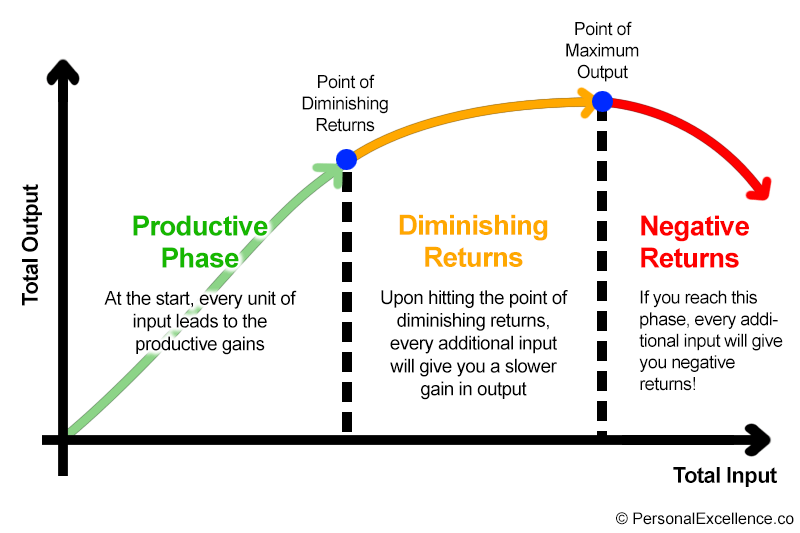
As ever, beware diminishing returns! Even the best-performing campaigns have a limit as to how much budget they can efficiently spend. If you start to see CPAs creeping up in previously efficient campaigns or channels, broaden your audience or the scope of your activity to maintain a healthy budget : reach ratio.
Key Takeaways for Marketers
If your paid ad campaigns feel stuck:
- it’s rarely the platform’s fault
- structure and budgets matter more than ever
- automation needs space to learn
- over-control often limits performance
- Microsoft Advertising can highlight structural issues early
Paid advertising hasn’t become harder – it’s become less forgiving of weak foundations.
Common Questions Marketers Ask About Stalled Campaigns
Why do paid ad campaigns stall even when metrics look fine?
Because learning is constrained. Without enough data, budget, or consistency, platforms can’t optimise effectively.
Is automation causing campaigns to stall?
No – but automation exposes weak structures faster than manual optimisation ever did.
How long should I wait before changing a campaign?
For automated campaigns, allow 2–4 weeks unless performance is clearly broken.
Is this problem specific to Microsoft Advertising?
No. It happens across platforms, but Microsoft often reveals these issues sooner due to less historical data.
Final thought
If campaigns stall in 2026, it’s usually a signal – not a failure.
The accounts that perform best aren’t constantly “fixed”. They’re built to learn, adapt, and improve over time.
Want to get your paid campaigns off to the best start in 2026? Adzooma makes helpful recommendations and helps you to manage all of your campaigns and ad tools in one platform. Sign up free today!